Thinking about leaving a larger home behind can feel equal parts exciting and overwhelming. You may be ready for less upkeep, a simpler layout, and more time to enjoy White Rock’s coastal lifestyle, but the details of selling, buying, and moving can still feel like a lot to manage. The good news is that with the right plan, downsizing does not have to feel rushed or uncertain. Let’s walk through what can help make your move smoother.
Why White Rock Fits Downsizers
White Rock is a natural place to downsize because the housing mix already leans strongly toward lower-maintenance living. In the 2021 census, the city had 21,939 residents, and 37.3% were age 65 or older. Out of 10,735 occupied dwellings, most were apartment-style homes, including apartments in duplexes and apartment buildings of various sizes.
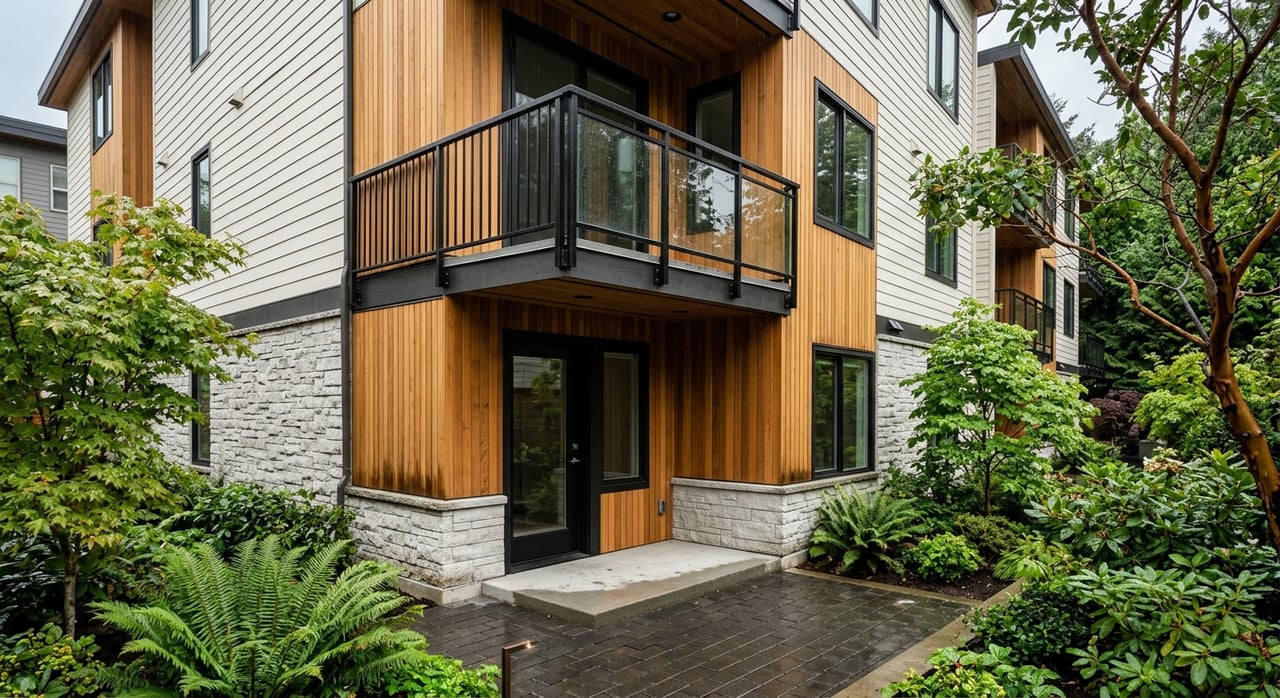
That matters because it gives you real options. If you want to move from a detached home into something easier to maintain, you are more likely to be comparing condos, townhomes, and other attached housing types rather than another detached property.
White Rock’s planning direction supports that trend too. New height and density are focused in specific corridors, and provincial small-scale multi-unit housing rules can now allow three, four, or six units on many former single-family and duplex lots. In practical terms, that means downsizers should expect to see more attached and multi-unit options over time.
Start With Your Downsizing Goals
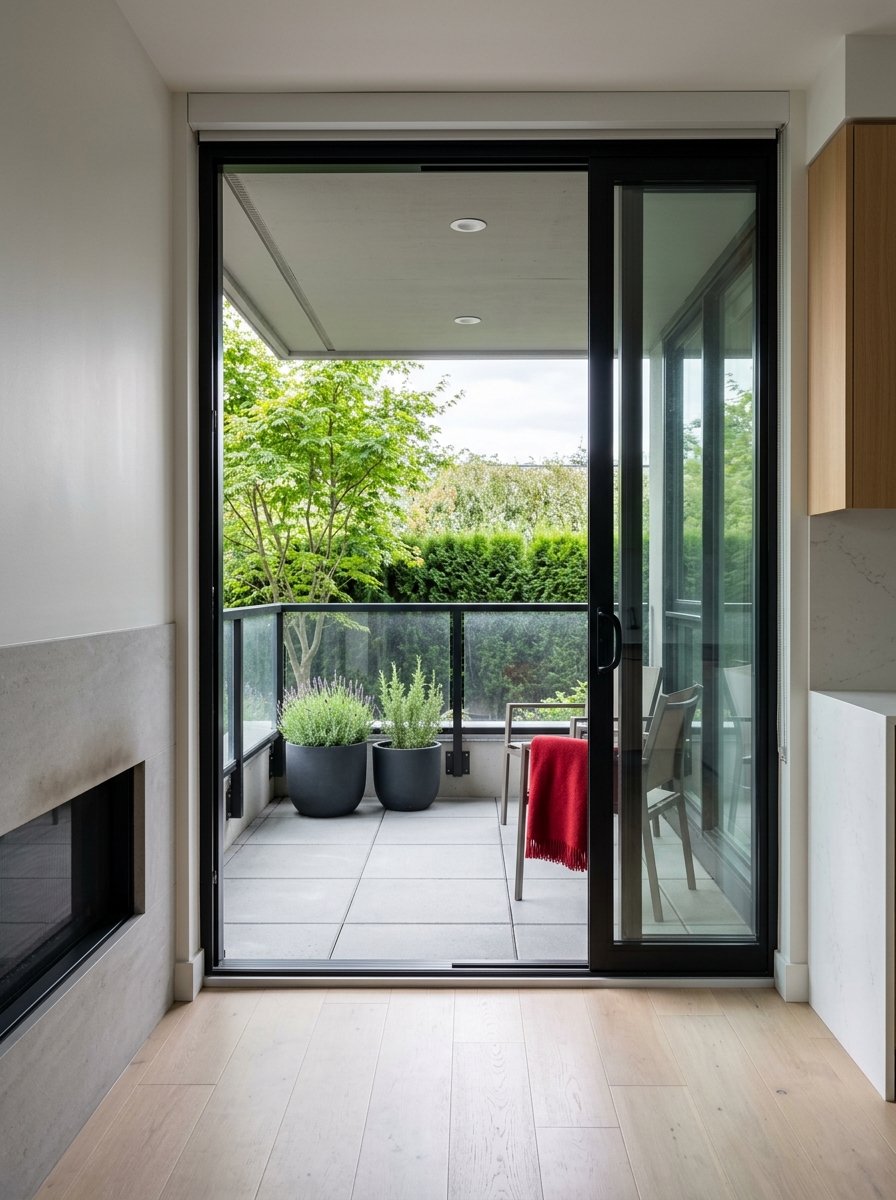
Before you look at listings, get clear on what you want your next stage of living to feel like. Downsizing is not only about square footage. It is about reducing stress, improving convenience, and choosing a home that fits how you want to live now.
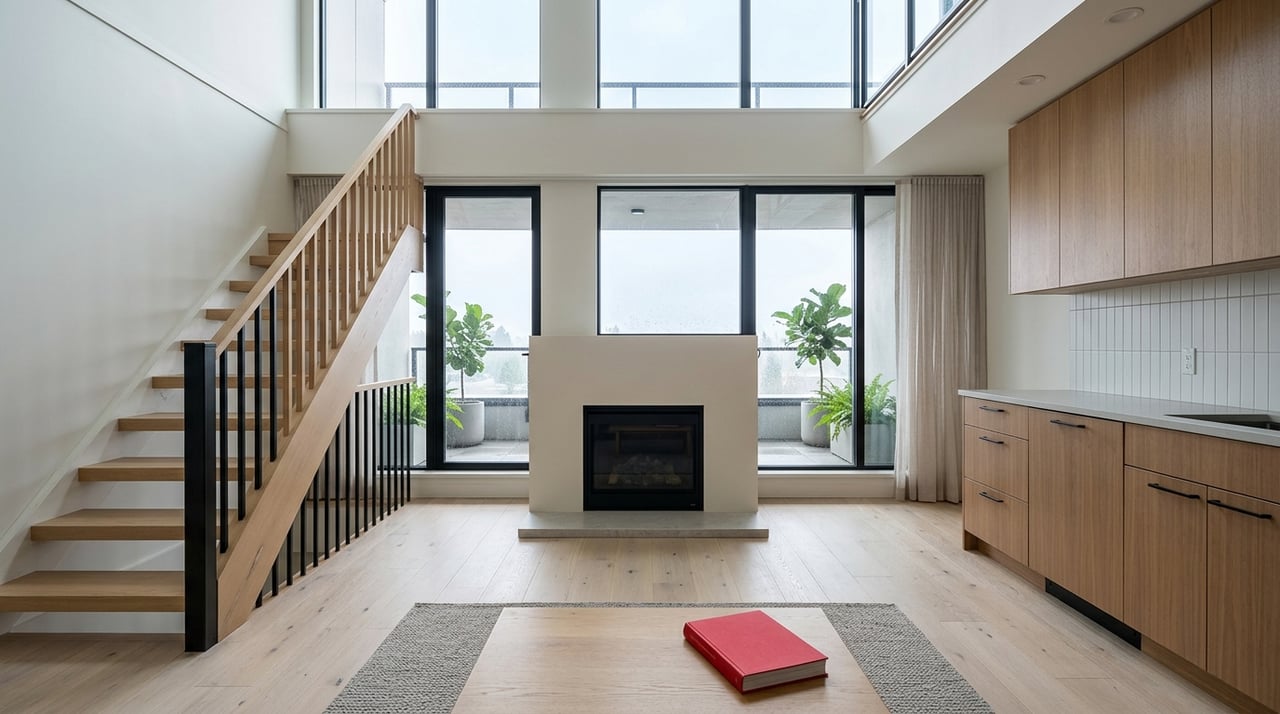
Start by identifying your non-negotiables. You may want one-level living, fewer stairs, secure parking, extra storage, or a layout that works well for guests. Knowing your must-haves early can help you avoid homes that look appealing online but do not fit your daily life.
It also helps to think about your timeline. Some homeowners want to move quickly after selling, while others need more time to sort belongings and make decisions. A realistic schedule can give you more control and reduce pressure later.
Compare Condos and Townhomes Carefully
For many White Rock downsizers, the main choice comes down to a condo or a townhome. Each can offer lower maintenance than a detached home, but they do not work the same way.
What to know about condos
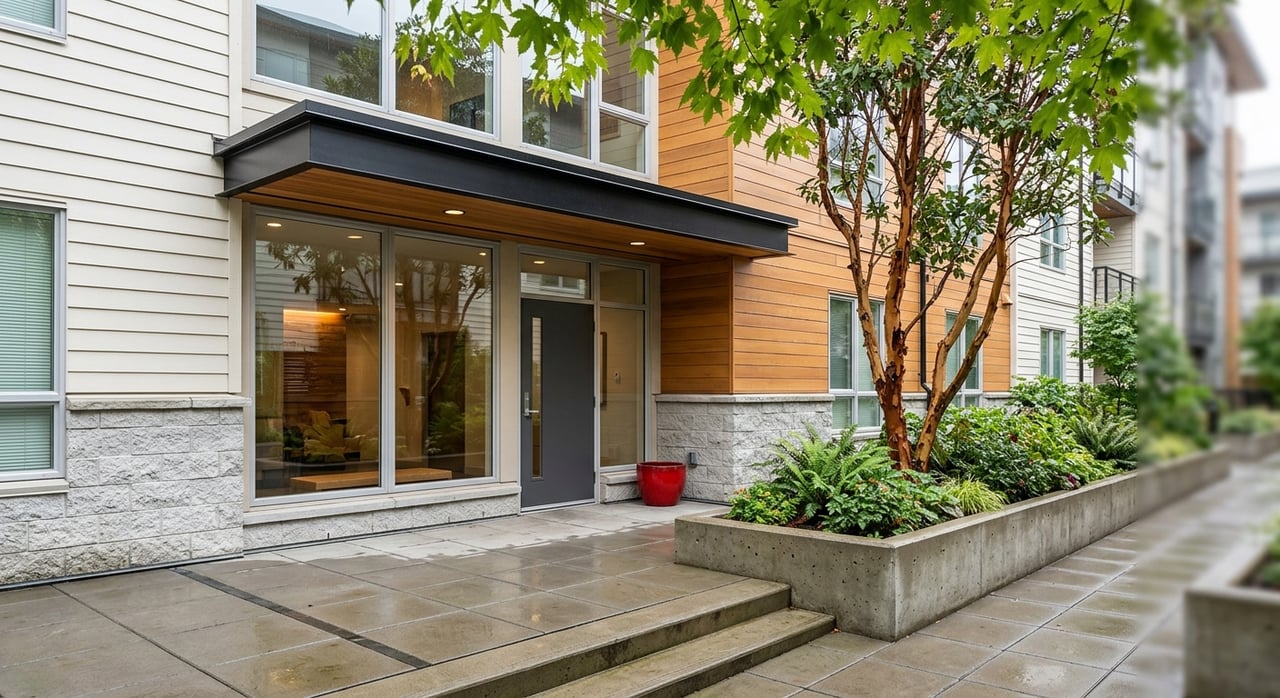
A condo is a form of ownership, not just a building type. One of the main benefits is that common-property maintenance is shared, which can reduce the amount of day-to-day upkeep you handle yourself.
That said, the monthly strata fee deserves a closer look. The real question is not just how much the fee is, but what it covers, how the building is managed, and whether it actually saves you time and effort.
What to know about townhomes
Townhomes often feel more house-like. You may get a private entry, more separation between living spaces, and often more storage than a condo.
If the townhome is strata-titled, you still need to review the bylaws, rules, fees, and common-property responsibilities. In BC, reading those documents before you buy is an important part of the process.
Look Beyond the Finishes
A beautiful kitchen or updated flooring can be appealing, but finishes should not be the only thing guiding your decision. White Rock has a meaningful share of older housing stock. In the 2021 census, 975 occupied dwellings were built in 1960 or earlier, and 3,235 were built between 1961 and 1980.
That makes building condition and long-term planning especially important. An older building may still be a strong fit, but you will want to understand how it has been maintained and what major repairs may be coming.
Newer condos can also come with their own budgeting surprises. CMHC notes that condo fees often rise after the first year because some developer-covered expenses end. If you are comparing newer options, look at the long-term operating budget, not just the first-year monthly number.
Review Strata Documents With Care
If you are buying a strata property, document review is one of the most important parts of a smooth downsizing move. This is where you can uncover future costs, building rules, and signs of strong or weak management.
CMHC recommends using a knowledgeable real estate lawyer or notary, a home inspector, and the condo documents before buying. In practical terms, that means taking time to review:
- Strata bylaws and rules
- Strata meeting minutes
- The operating budget
- Insurance information
- Any depreciation report
These documents can tell you a lot about how the property is run. They can also help you avoid unpleasant surprises after you move in.
Understand BC Strata Rules
Not all strata communities operate the same way. In BC, strata bylaws can address pets, smoking, quiet hours, short-term rentals, and age 55+ restrictions.
It is also important to know that rental-restriction bylaws are no longer allowed. If future flexibility matters to you, or if your plans may change later, reading the bylaws before writing an offer is essential.
Age-restriction rules matter too. In BC, strata corporations can only use age-restriction bylaws for residents age 55 and older, with required exemptions for some spouses, children, caregivers, and certain legacy residents. If you are considering a 55+ community, confirm the exact rules instead of assuming older restrictions still apply.
Watch for Long-Term Maintenance Costs
One of the biggest downsizing mistakes is focusing only on today’s payment and not on future building costs. A lower-maintenance lifestyle should still come with a clear understanding of what repairs and upgrades may be ahead.
BC now requires strata corporations with five or more lots to obtain depreciation reports on a five-year cycle. Older or report-lacking stratas in Metro Vancouver and the Fraser Valley must have compliant reports by July 1, 2026.
These reports help owners plan for major repairs and can reduce the risk of surprise special levies. When you review a strata, this is one of the clearest tools for understanding how prepared the building is for future work.
Plan the Sale and Purchase Sequence
The order of your sale and purchase can shape the entire downsizing experience. In White Rock and South Surrey, the price gap between detached homes and attached homes can be significant, which is one reason many downsizers are making this move.
In January 2026, benchmark prices in the White Rock and South Surrey submarket were $1.728 million for detached homes, $861,000 for townhouses, and $565,300 for apartments. That is a gap of about $867,000 between detached homes and townhouses, and about $1.16 million between detached homes and apartments.
Those numbers can create opportunity, but timing still matters. In Metro Vancouver’s April 2026 report, benchmark prices were $1,043,400 for townhouses and $703,000 for apartments, with average days on market of 31 and 40 days respectively. That suggests the attached-home side of your move may take weeks rather than just a few days.
A smoother sequence often starts with a few key steps:
- Clarify your must-haves
- Sort and reduce belongings
- Estimate your likely net equity
- Align ideal possession dates
- Decide whether selling first or buying first fits your comfort level
If you buy first, you may need bridge financing or temporary housing plans. If you sell first, your focus becomes finding the right replacement home without feeling forced into a quick decision.
Use the Rescission Period Wisely
For most residential purchases in BC, the Home Buyer Rescission Period gives buyers three business days after acceptance to cancel the contract. The right cannot be waived, and rescinding costs 0.25% of the purchase price.
That extra time can be helpful if you need to finalize financing or complete a final review. Still, it should not replace normal due diligence. A thoughtful offer, strong document review, and professional guidance remain just as important.
Budget for More Than the Purchase Price
A smooth move depends on a clear budget. It is easy to focus on sale price and purchase price while overlooking the smaller costs that add up during a downsizing move.
In BC, property transfer tax is generally payable when a property interest is registered unless an exemption applies. Sellers should also check whether the BC home flipping tax could apply if the property has been owned for less than 730 days.
You should also plan for costs such as:
- Legal or notary fees
- Moving expenses
- Strata move-in charges
- Insurance changes
- Possible storage costs during transition
A realistic budget gives you confidence and helps you compare options clearly.
Make the Move Feel Manageable
Downsizing works best when you treat it as a process, not a single event. Selling the family home, reviewing White Rock housing options, reading strata documents, and planning the move all take time. When those steps are handled in the right order, the experience usually feels much more manageable.
The goal is not simply to move into a smaller home. It is to choose a home that supports your next chapter with less maintenance, more clarity, and a better fit for how you want to live in White Rock.
If you are starting to think about a move, the right local guidance can make each step feel clearer. The Agency White Rock offers downsizing guidance, buyer representation, valuation consultations, and local market insight to help you plan your next move with confidence.
FAQs
What housing options are most common for downsizers in White Rock?
- In White Rock, downsizers are often comparing condos, townhomes, and other attached housing types because apartment-form homes make up a large share of the city’s occupied dwellings.
What should you review before buying a strata property in White Rock?
- Before buying a strata property in White Rock, you should review the bylaws, rules, strata minutes, budget, insurance information, and any depreciation report.
What do age restrictions mean in BC strata housing?
- In BC strata housing, age-restriction bylaws can only be set at 55 and older, with some required exemptions for certain spouses, children, caregivers, and legacy residents.
How long can a townhouse or condo take to sell in the Metro Vancouver market?
- In Metro Vancouver’s April 2026 report, average days on market were 31 for townhouses and 40 for apartments, which suggests attached-home purchases may take weeks rather than days.
What extra costs should you budget for when downsizing in BC?
- When downsizing in BC, you should budget for property transfer tax if applicable, legal or notary fees, moving costs, strata move-in charges, insurance changes, and possible storage expenses.